1700
England
Sir Richard Levinge (1656–1724), an Irish lawyer and politician, was born 2 May 1656, at Leek in Staffordshire, the second son of Richard Levinge of Parwich in Derbyshire.
He was a …
1707
Scotland
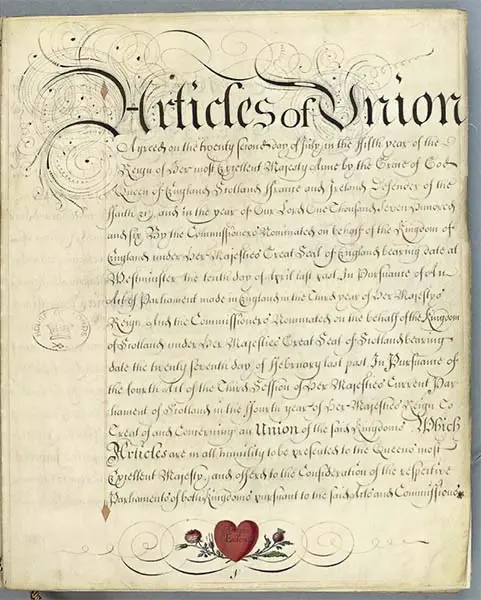
The Treaty of Union between the Scottish and English Parliaments was ratified on January 16, 1707. This treaty marked the political union of the Kingdom of Scotland and the Kingdom …
1816
Ireland
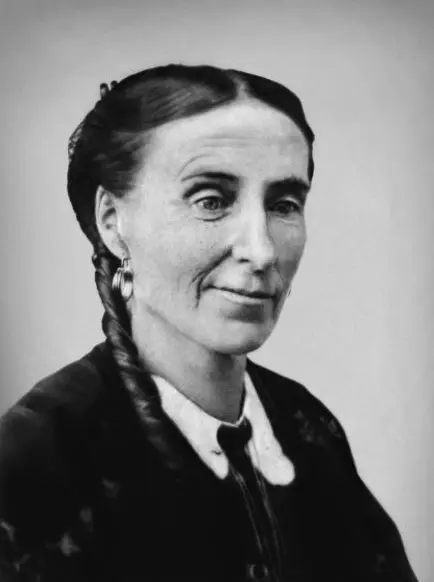
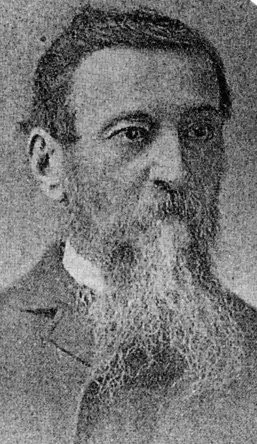
Frances Browne, the Irish poet and writer, was born in Stranorlar, County Donegal, on January 16, 1816. She is known for her literary contributions, which include poems, novels, …
1822
Unitedstates
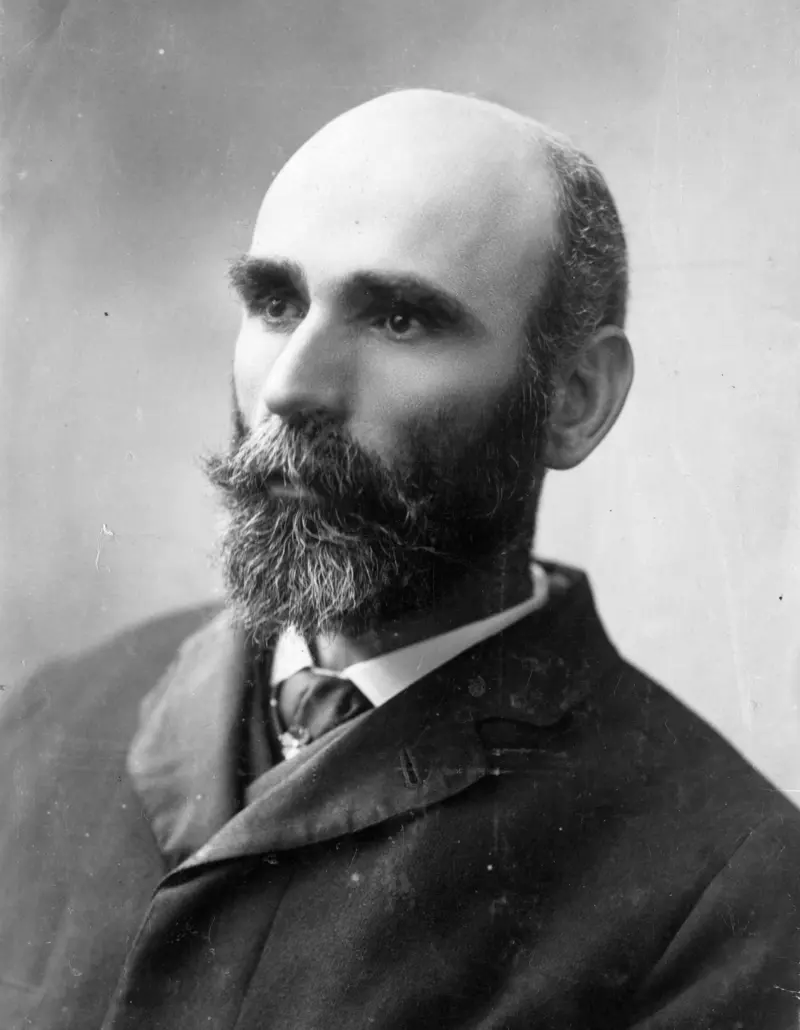
Thomas Clarke Luby, a prominent Irish nationalist and co-founder of the Fenian Brotherhood, was born on January 16, 1822. Luby played a significant role in the Irish republican …
1904
Ireland
The Limerick Pogrom of 1904, during which Jewish residents in Limerick, particularly the Jewish quarter, faced anti-Semitic incidents and discrimination.
The Limerick Pogrom was …
1913
Ireland
The Home Rule bill, also known as the Government of Ireland Bill 1912, but passed in the House of Commons in 1913. The bill was a significant piece of legislation that aimed to …
1922
Ireland
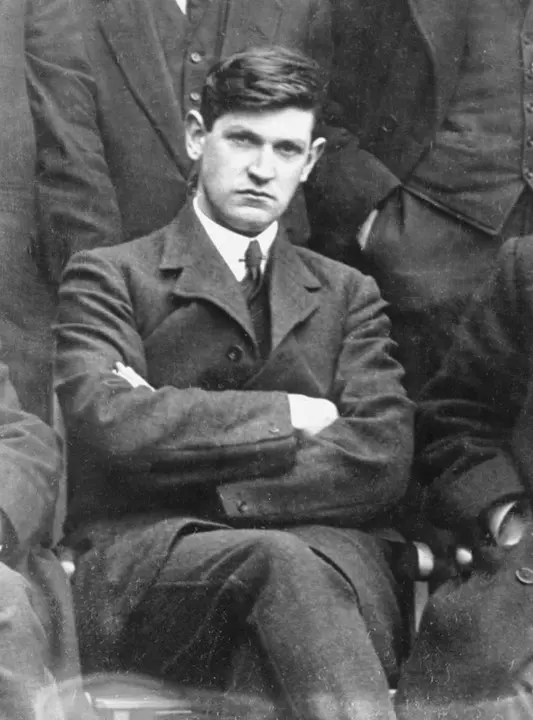
On January 16, 1922, Michael Collins, on behalf of the new Irish Free State, took over control of Dublin Castle from the British authorities. This event marked a significant …
1922
Ireland
Arthur Joseph Griffith (31 March 1871 – 12 August 1922) was an Irish writer, newspaper editor and politician who founded the political party Sinn Féin.
He led the Irish delegation …
1935
Ireland
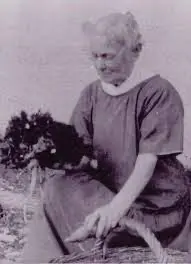
Gobnait Nic Bhruadair, also known as Albinia Broderick, was a significant Irish republican activist and a prominent member of Cumann na mBan, a women’s paramilitary …
1945
Scotland
On January 16, 1945, during World War II, the 52nd (Lowland) Infantry Division, which included the 52nd Highland Light Infantry, and the 1st Commando Brigade were involved in …