December 2, 1848
Mary Slessor, missionary in Nigeria, West Africa, born in Aberdeen, Scotland
Scotland
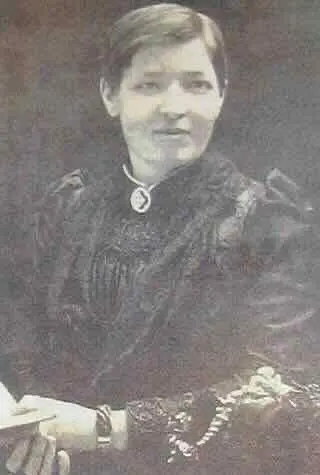
Mary Slessor, the Scottish Presbyterian missionary, was born on December 2, 1848, in Gilcomston Aberdeen, Scotland. She was born to a poor working-class family who could not afford proper education.
She became well-known for her missionary work in Nigeria, West Africa, particularly for her efforts to end the killing of twin infants and her advocacy for women’s rights.
Once in Nigeria, Slessor learned Efik, one of the numerous local languages, then began teaching. Because of her understanding of the native language and her bold personality Slessor gained the trust and acceptance of the locals and was able to spread Christianity while promoting women’s rights and protecting native children. She is most famous for her role in helping to stop the common practice of infanticide of twins in Okoyong, an area of Cross River State, Nigeria.
Early Life
- Mary Slessor was born into a poor working-class family in Aberdeen, Scotland.- Despite facing financial challenges, she developed a strong interest in missionary work from an early age.
Missionary Work in Nigeria
Eventually, Slessor applied to the Foreign Mission Board of the United Presbyterian Church. After training in Edinburgh, she set sail in the SS Ethiopia on 5 August 1876 with her cousin Robert Mitchell Beedie, a missionary from New Deer in Buchan and arrived at her destination in West Africa just over a month later.
Mary Slessor arrived in Calabar (in present-day Nigeria) in 1876 as a Presbyterian missionary.- She immersed herself in the local culture, learned the Efik language, and gained the trust of the local people.
Efforts to End Twin Killing
- Slessor became known for her courageous efforts to stop the practice of killing twin infants, which was considered a taboo in the local culture.- She adopted many twins and raised them as her own, challenging the superstitions surrounding twins.
Advocacy for Women’s Rights
- Mary Slessor also advocated for the rights of women in the local community.- She worked against harmful cultural practices and sought to improve the status of women and children.
Recognition and Legacy
- Mary Slessor’s dedication and humanitarian work earned her recognition and respect, both locally and internationally.- She passed away on January 13, 1915, in Calabar, Nigeria, but her legacy continued through the impact of her work on the lives of the people she served.
Mary Slessor’s story is remembered for her selfless dedication to the welfare of the people in Nigeria and her efforts to challenge harmful cultural practices. She remains a celebrated figure in both missionary history and the history of women’s rights.